
By Valerie Noack
In January 2020, I began the accelerated BSN program at Research College of Nursing with equal parts excitement and nerves. Before nursing school, I had earned both a BA and an MA in English, so stepping into healthcare felt like the start of an entirely new chapter. I imagined spending the next year in hospitals, learning at the bedside, gaining confidence through hands-on clinical experiences, and gradually finding my place in the culture of nursing.
Instead, halfway through my first semester, the world shut down.
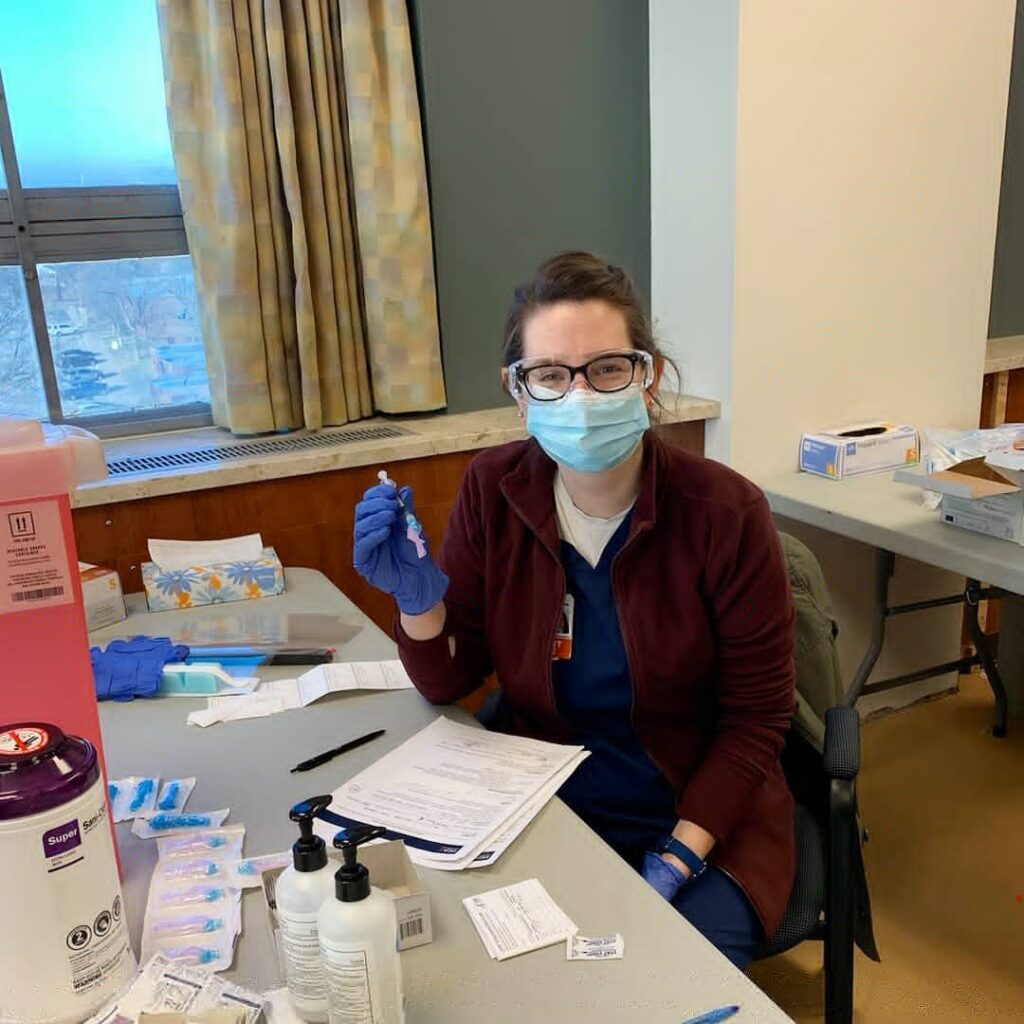
Like so many students during the COVID-19 pandemic, I left campus for spring break and never really returned in the same way. Hospitals, understandably, restricted student access as they focused on caring for patients during an unprecedented crisis. Almost overnight, many of the traditional clinical experiences we relied on disappeared.
So where did we learn?
Simulation.
At first, that meant virtual simulations from home (think video game–style patient scenarios, but with nursing judgment and critical thinking at the center). Later, we returned to campus in masks, socially distanced, armed with enough purple disinfecting wipes to clean just about anything. When hospitals couldn’t safely accommodate students, simulation became the bridge between classroom learning and patient care.
At the time, I had no idea how much those experiences would shape my future.
As someone without prior hospital experience, simulation became my first real exposure to bedside nursing. It was where I developed psychomotor skills, learned how to communicate with patients, collaborated with teammates, and practiced clinical decision-making. When I graduated and began working as a floor nurse, many of the skills I relied on were first built in the simulation lab.
I still remember inserting my first Foley catheter on a real patient and thinking, I’ve done this on a mannequin before. I can do this on a human.
That confidence mattered.
Simulation gave me a safe space to practice before the stakes became real. It allowed me to make mistakes, ask questions, and grow without the fear of harming a patient. And honestly, that’s still what I love most about simulation. It’s one of the only places in nursing education where students can learn through trial and error—because while the “patients” aren’t real, the learning absolutely is.
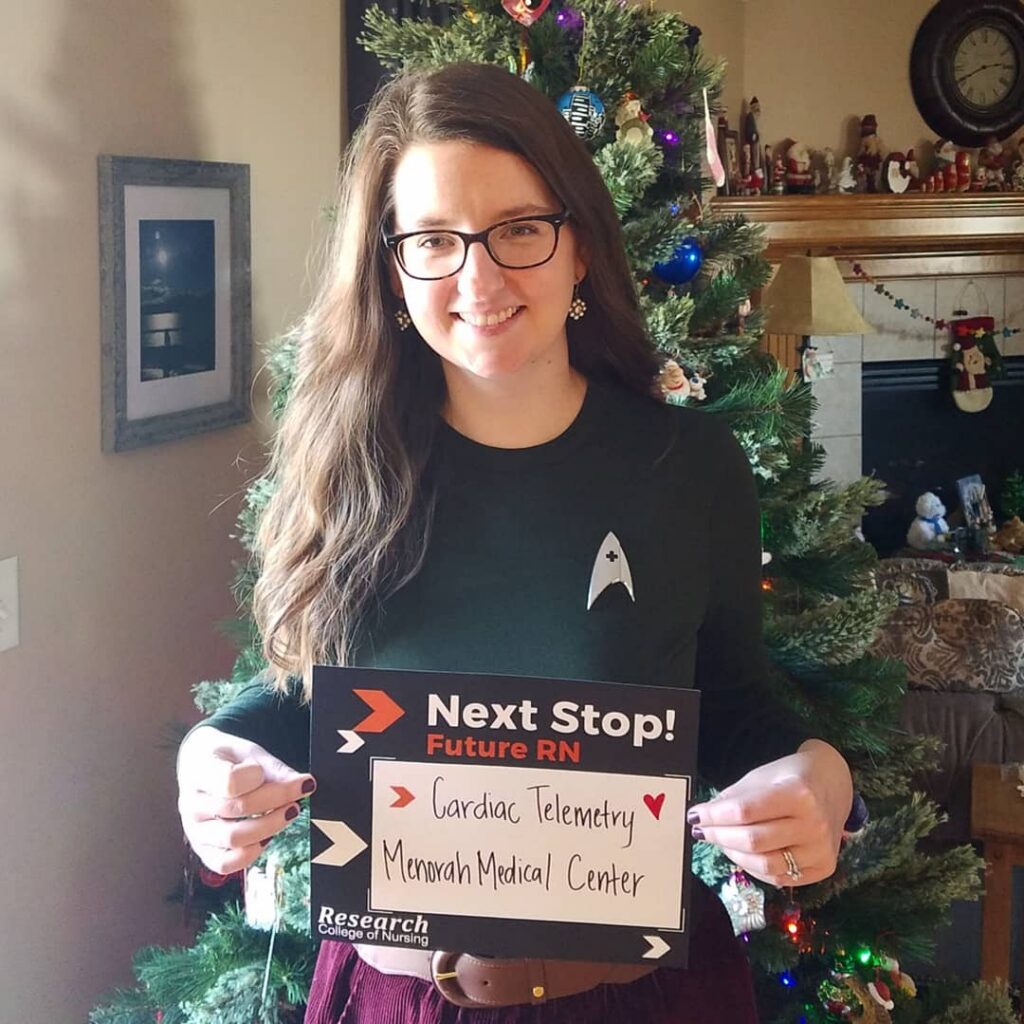
After graduating in December 2020 (via Zoom, from my parents’ kitchen table), I worked as a bedside nurse and later as a case management through career growth opportunities within HCA Healthcare. Each role taught me something valuable, but it wasn’t until I saw an opening for simulation director back at Research College of Nursing that everything clicked.
Coming back to the college where I trained has been both healing and inspiring. I missed out on many traditional college experiences during the pandemic, so being able to watch today’s students participate in clinicals, white coat ceremonies, campus events, and in-person graduations feels especially meaningful.
What continues to set Research College of Nursing apart is its people. As a student, I felt deeply supported by faculty and staff who were determined to help us succeed despite impossible circumstances. Now, as simulation director, I strive to give students that same sense of support. We challenge them, yes, but we also remind them that learning is a process.
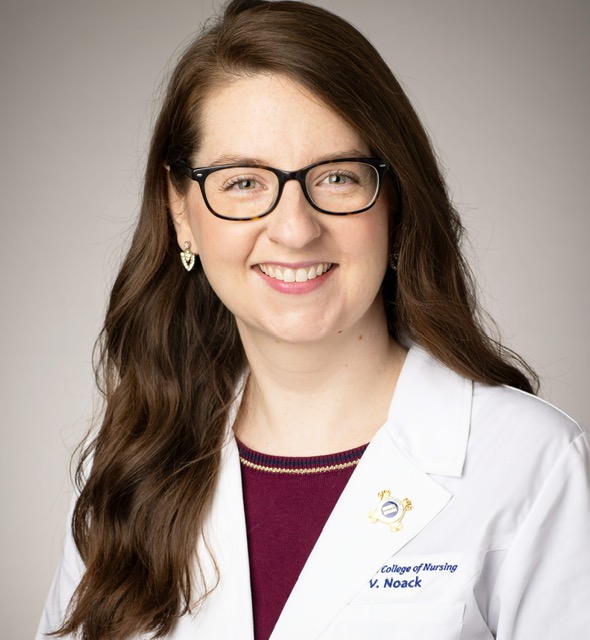
Nursing is hard. It’s meaningful, rewarding, and sometimes overwhelming. But one of the greatest lessons I’ve learned is that every experience becomes a tool you carry forward with you. You never know where your nursing path may lead, and you never know when those old tools may come in handy.
For me, Research College of Nursing became more than a school—it became home. And now, I have the privilege of helping the next generation of nurses discover what they’re capable of, too.