
By Kirk McCarty, RN, MSN, CEO of Research Medical Center
At Research Medical Center, we often say that exceptional patient care begins with exceptional people. While advanced technology and innovative treatments are important tools in modern healthcare, our greatest strength has always been our caregivers – especially our nurses.
As the CEO, I have the privilege of seeing the impact nurses make every day. Their clinical expertise, compassion and dedication to serving others are at the heart of everything we do. That’s why our longstanding partnership with Research College of Nursing is so important, not only to the future of our hospital, but to the health and well-being of our community.
Year after year, Research College of Nursing has prepared highly skilled professionals who are ready to enter the workforce with confidence. Graduates bring a strong clinical foundation that allows them to transition quickly into practice. Many have already spent significant time alongside our teams as nursing students or nurse externs, gaining hands-on experience while becoming familiar with our patients, processes and culture. Through these experiences, they build meaningful relationships with colleagues and mentors long before they graduate.
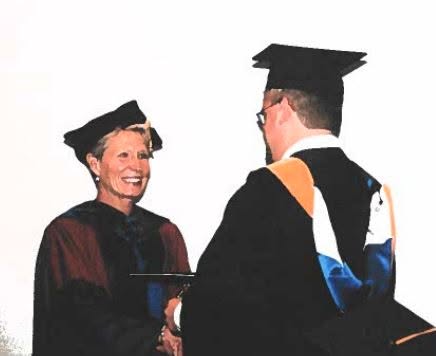
But what sets apart these graduates, is not just their clinical preparation. They bring a passion for nursing and a commitment to service that align perfectly with our mission at Research Medical Center: Above all else, we are committed to the care and improvement of human life.
In today’s healthcare environment, attracting and retaining talented nurses has never been more important. Hospitals across the country continue to navigate challenges that emerged following the COVID-19 pandemic. Through their academic programing and emphasis on real-world experience, Research College of Nursing helps meet the need by developing nurses who are not only clinically ready, but also well-equipped to thrive within Research Medical Center and across HCA Healthcare.
That is why I am always proud to see so many graduates choose to begin their careers with us. More than one out of every four graduates chose to continue their nursing journey here, a statistic that represents much more than a successful recruitment effort. It reflects the strength of a partnership that has endured for generations. The result is a steady pipeline of talented nurses who bring fresh perspectives, new ideas and an eagerness to learn, inspiring innovation and helping us continuously improve the care we provide.
As a Research College of Nursing alumnus myself, this partnership is especially meaningful for me. I have experienced firsthand the quality of education and preparation the college provides. I also know that today’s graduates represent the next generation of healthcare leaders. The bedside nurses caring for our patients today will become tomorrow’s charge nurses, educators, advanced practice providers and, as my own journey demonstrates, healthcare executives. I am confident our partnership will continue to strengthen our hospital, our profession and the health of our community for generations to come.
By Pamelia O. Bertrand, PhD, MSN, RN
As nurses, we are trained to assess problems, develop plans, and implement solutions. Throughout our careers, we become skilled at identifying what needs to be fixed and taking action. While this approach serves us well in clinical practice, one of the most important lessons I learned through my research on peer support programs for healthcare workers is that not every situation requires a solution. Sometimes, what people need most is simply someone willing to listen.
Healthcare professionals experience emotionally challenging events throughout their careers. These experiences may include patient deaths, unexpected outcomes, medical errors, workplace violence, or other distressing situations. In the aftermath of these events, many individuals do not need advice or answers. Instead, they need a safe space to process their emotions, share their experiences, and feel understood.
During my doctoral research examining successful and sustainable peer support programs, one finding consistently emerged across participants from healthcare organizations nationwide: effective peer supporters prioritize listening over fixing. The ability to be present, listen actively, maintain confidentiality, and provide nonjudgmental support was consistently identified as more valuable than offering solutions.
This lesson extends far beyond healthcare settings. Whether we are supporting a colleague, student, family member, or friend, our first instinct is often to help by solving the problem. We offer suggestions, share similar experiences, or provide advice. While well-intentioned, these responses can sometimes unintentionally shift attention away from the individual who needs support.
Active listening requires us to slow down and focus fully on the other person. It means resisting the urge to immediately respond with advice and instead asking questions, validating emotions, and creating space for reflection. Often, people discover their own path forward when they feel heard and supported.
For nursing students, developing strong listening skills is just as important as developing clinical skills. Therapeutic communication, empathy, and compassionate presence are foundational components of nursing practice. These skills strengthen relationships with patients, improve teamwork, and contribute to healthier work environments.
As healthcare continues to evolve, the human connection remains at the heart of nursing. The ability to listen with empathy and without judgment may be one of the most powerful interventions we can offer.
Sometimes the greatest support we provide is not fixing a problem—it is simply being present for someone who needs to be heard.
Offering peer support is essential and should be the guide behind everything we do for our students, patients, family, and friends.
Always be there for one another.
NOTE: Dr. Pamelia Bertrand’s work on peer support for healthcare professionals was recently published in the Journal of Advanced Nursing. Her research explores how effective peer support programs prioritize active listening, empathy, and psychological safety to better support healthcare workers following emotionally challenging events.
To read more, click here.